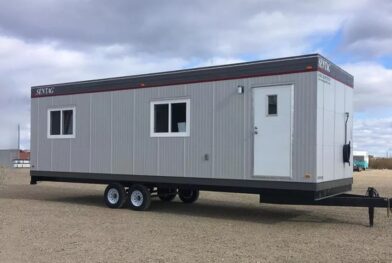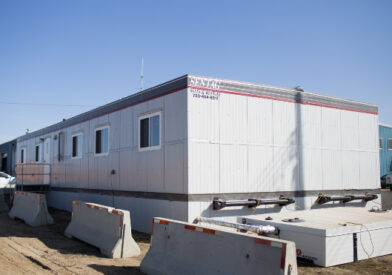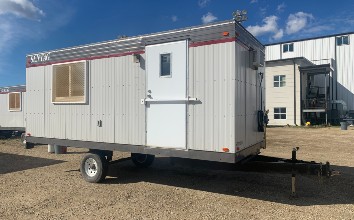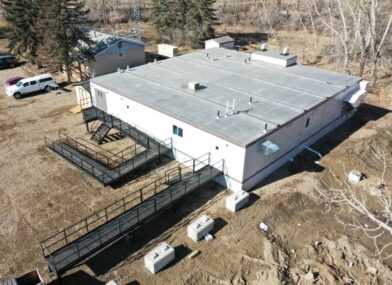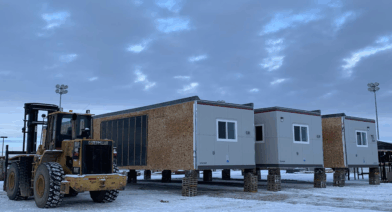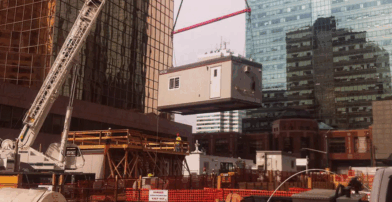
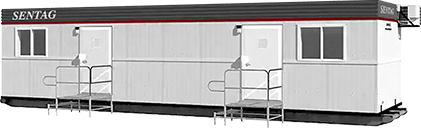
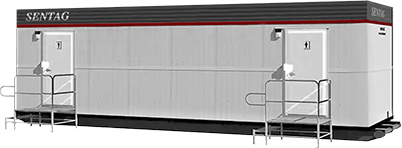
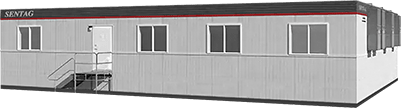
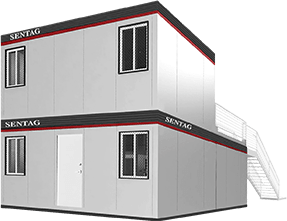
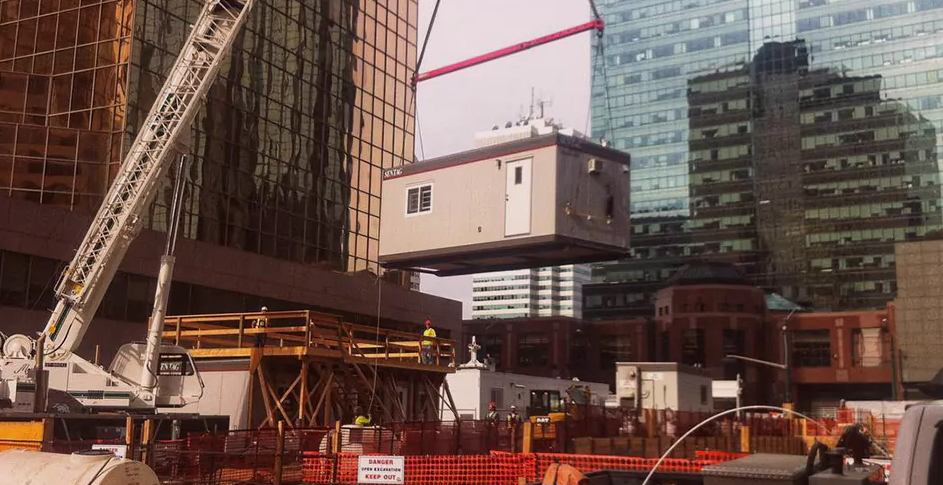
A portable office can be delivered in a matter of days. Getting your site ready for it is where many construction teams run into trouble. Too often, a construction project schedules a mobile office only to discover problems like access issues or utility challenges at the last minute. The result is delays and lost productivity on the construction site when teams should be focused on moving work forward.
The good news is that most of these problems are completely avoidable. With the right site preparation, your modular office can be installed quickly and start serving as functional office space from day one. There are essential steps to prepare your construction site for a portable office, so your project stays on schedule and your team has the space it needs.
1. Choose the Right Location
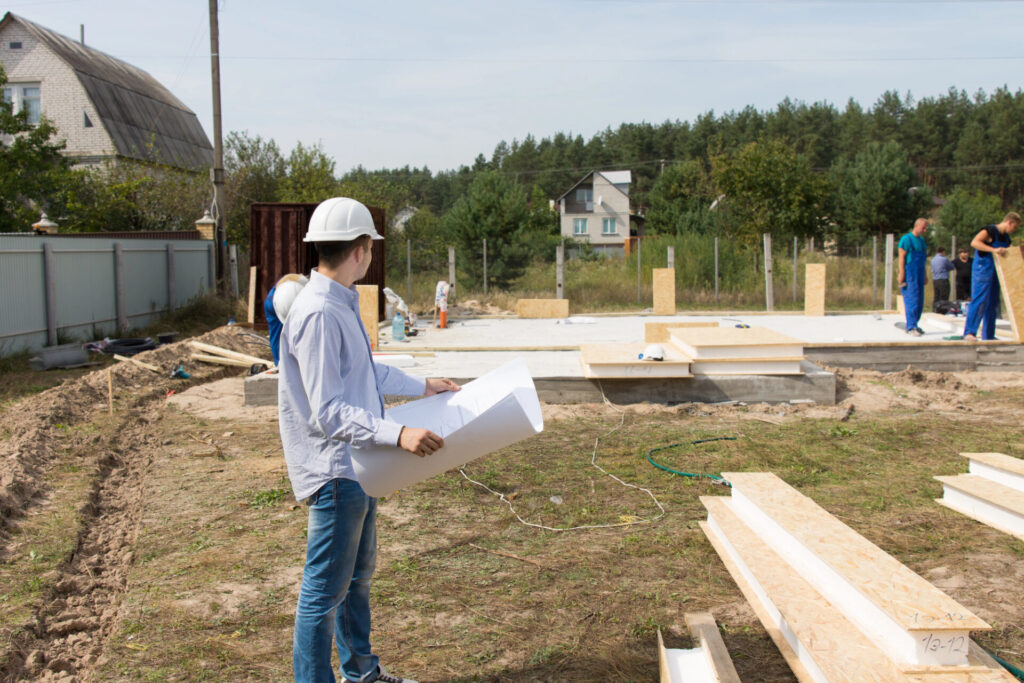
A surprising number of construction sites pick the first open area they see, only to realize later that trucks can’t reach it, crews have to walk across active work zones, or utility connections are farther away than expected. What looked like a convenient spot ends up creating daily friction for the entire construction project. The best location balances safety and practicality. Your mobile office should be easy for staff, visitors, and suppliers to reach without disrupting site operations. It should also sit on stable ground with enough room for delivery equipment to place the unit safely. Think beyond where the portable office will sit today. Consider how the construction site will change over the coming weeks and months, so your office space remains accessible as work progresses.
2. Verify Permits and Site Requirements
One missing approval can delay an entire delivery. Many companies assume a temporary structure can be placed on site without much paperwork. In some cases, that is true. In others, a building permit may be required before portable offices and complexes can be delivered and occupied. Requirements often vary depending on the municipality, the unit’s intended use, and how long it will remain in place.
This step is easiest to handle early in the planning process. Waiting until a delivery date has been scheduled can create avoidable delays that affect staffing and project timelines. If you are bringing in modular office buildings or larger modular office trailers, additional requirements may apply depending on the scope of the installation. It is also worth reviewing local regulations that could affect placement or utility connections. A few conversations with the appropriate authorities can help identify issues before they become expensive surprises.
Permit and Site Requirement Checklist
- Confirm whether a building permit is required
- Review municipal regulations for temporary structures
- Verify placement requirements for the selected unit
- Check setback requirements from property lines
- Confirm utility connection requirements
- Review access requirements for delivery equipment
- Determine whether inspections are required
- Identify any occupancy restrictions that may apply
3. Prepare a Stable Foundation
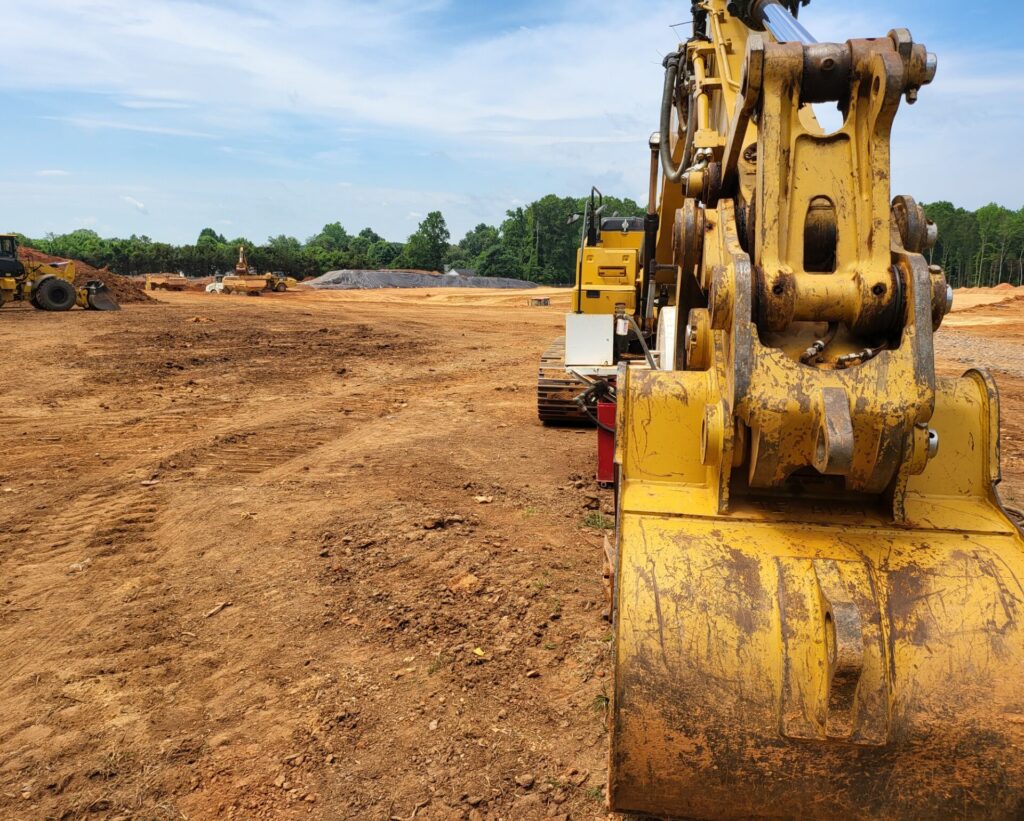
When planning for a modular office, it’s easy to focus on delivery schedules or interior layouts. The ground beneath the unit deserves just as much attention. A stable foundation protects both the structure and the people using it. Even high-quality modular buildings can develop problems when they are placed on uneven ground or poorly prepared surfaces. Doors may stop closing properly, or utility connections can shift over time. The overall comfort of the office space can also be affected.
Before delivery, assess the condition of the site, including grading issues. Check for drainage problems and always make sure to review soil stability. Lots of construction sites require additional work to create a level surface that can safely support modular buildings. This becomes even more important with larger units that will remain in place for an extended period. A properly prepared foundation enables a modular office to function as intended and provide space for daily operations. Across construction sites, this step can help avoid expensive repairs and unnecessary disruptions later on.
4. Arrange Utility Connections
Many delays occur after delivery, not before. A portable office can arrive on schedule and still sit unused if utility planning is left until the last minute. Teams often assume services can be connected quickly. In reality, coordinating access to power or the internet can take longer than expected, creating unnecessary downtime. Before your unit arrives, determine exactly what the space will need to support daily operations. Understanding your team’s space needs before delivery can help avoid delays once the unit is in place. A temporary office used by a project manager may have different requirements than mobile office trailers supporting a larger team.
The sooner those requirements are identified, the easier it becomes to schedule the necessary work. Reliable power is usually a big priority because it affects everything else. This includes air-conditioning systems that help maintain a comfortable working environment year-round. Without it, climate control systems cannot operate, and employees may not be able to use essential equipment. Portable office trailers intended for long-term use should have utility planning completed well before delivery so the space can be occupied as soon as installation is finished.
5. Clear Access and Delivery Routes
Even the best portable offices cannot be installed if the delivery team cannot safely reach the designated location. Before delivery day, take time to evaluate the route the unit will travel from the site entrance to its final position. A path that looks accessible on paper may present challenges once large transport vehicles arrive. Tight turns and active work areas can all complicate the installation process.
This becomes even more important when larger modular office buildings or modular office trailers are being delivered. These units require adequate clearance and enough space for equipment to maneuver safely during placement. Reviewing floor plans ahead of time can help determine the most practical location while reducing the risk of access issues. Detailed floor plans can also help identify potential delivery challenges before installation day.
It’s also worth confirming whether your building permit includes any site access requirements that must be addressed before delivery. Reviewing your building permit documentation before delivery can help find and identify additional requirements that may affect access or placement. This becomes even more important when multiple units are being installed to create an office complex. Similar planning is often required for prefab office buildings and larger temporary facilities. Protecting quality materials during delivery can also help prevent unnecessary repair costs and delays.
6. Do One Last, Final Check
Before your Edmonton trailer arrives, conduct one final review of the site to ensure everything is ready for installation. Conditions on construction sites can change quickly, and an area that was suitable a few weeks ago may now have access restrictions, equipment, or materials blocking the delivery route. Confirm that the designated location for your construction site offices remains level and accessible for delivery vehicles and placement equipment.
Take time to verify that all required approvals have been secured, including any applicable building permit requirements. After that, review utility connections and safety procedures to make sure there are no outstanding issues that could delay occupancy. If your project is going to include multiple units or an office complex, you’ll need to confirm that placement areas are clearly marked and prepared in accordance with the installation plan. A thorough final inspection helps prevent delays and makes sure your new workspace is ready for immediate use.
Contact Sentag Modular Today
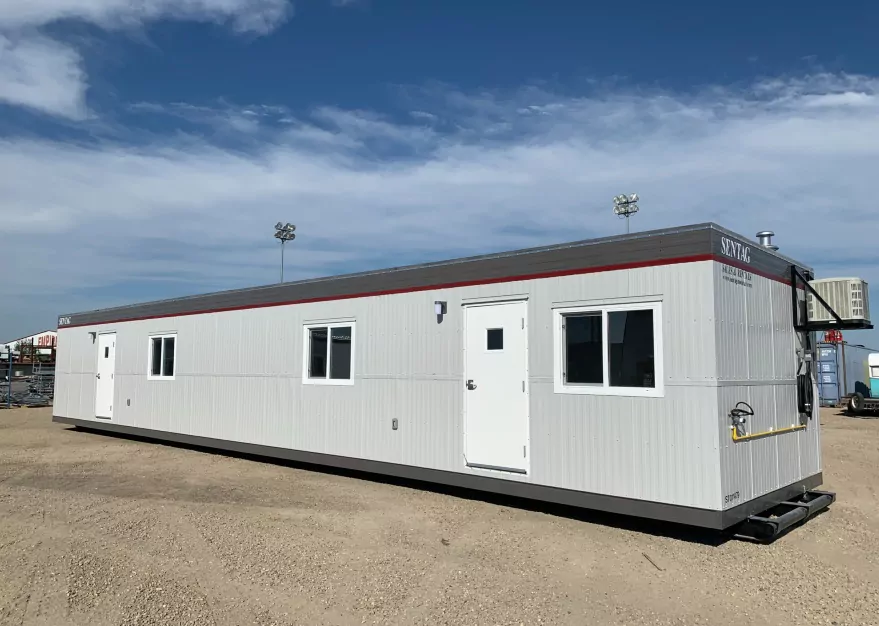
Proper site preparation is one of the simplest ways to ensure your portable office is delivered, installed, and ready for use without any sort of delays. By planning ahead, construction teams can avoid costly setbacks and keep projects moving forward. Whether you need a single mobile office or a larger modular office solution, Sentag Modular can help. Contact our team today at 780.454.6517 or office@sentagmodular.com to discuss your project and find the right portable office solution for your construction site.